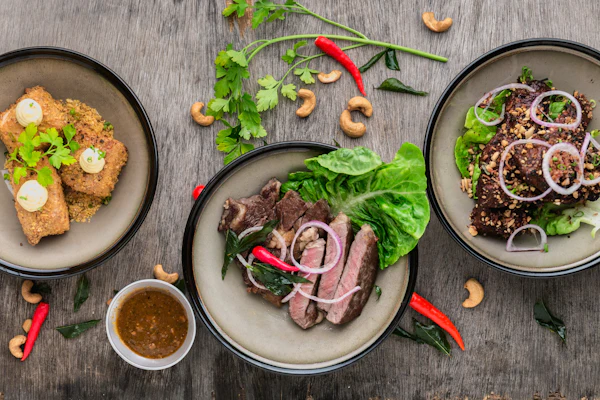
Forget, for a moment, the red cliffs and the Anne of Green Gables gift shops. The best reason to cross the Confederation Bridge might simply be dinner. Prince Edward Island is barely larger than a good-sized county, yet it grows about a quarter of Canada's potatoes, cultivates the oysters and blue mussels that chefs across North America fight to put on their menus, and lands some of the sweetest lobster in the Atlantic. This is a food guide first and a travel guide second — a map of what to eat, where to eat it, and how to plan three days on the island around your appetite.
If you're weaving PEI into a longer Maritime trip, our Eastern Canada itinerary shows how the island fits alongside Nova Scotia and New Brunswick. Here, we stay at the table.
Why a Small Island Eats So Well
PEI's food reputation is not marketing — it's geography. The island sits in the warm, shallow, nutrient-rich waters of the Gulf of St. Lawrence, ideal conditions for shellfish. Its famous red soil, iron-rich and free-draining, happens to be nearly perfect for potatoes. And because nothing on the island is more than a short drive from a farm gate or a wharf, "local" here is not a menu buzzword — it's just the supply chain. A restaurant in Charlottetown can serve oysters shucked that morning from a bay 20 minutes away.
The result is a food culture that punches far above the island's population of 170,000. You'll find genuinely excellent eating in unglamorous places: a fisherman's wharf takeaway, a church hall, a roadside potato shack. The trick to eating well here is knowing which four ingredients define the island, and then chasing them to their source.
Malpeque Oysters: The Island's Signature Bite
If PEI has a single edible ambassador, it is the Malpeque oyster. Named for Malpeque Bay on the island's north shore, these oysters are wild or bottom-cultured, cold-water, and prized for a crisp, clean, briny-then-sweet finish that oyster lovers describe with the same reverence wine drinkers reserve for great vineyards. They are shipped live to raw bars in Toronto, New York, and beyond — but they are never fresher, or cheaper, than at the source.
Order them the island way: raw, on ice, with nothing more than a squeeze of lemon or a drop of mignonette. Almost every restaurant in Charlottetown keeps a raw bar, and prices during summer happy hours can dip well below what you'd pay on the mainland. For the full experience, seek out a producer or a market stall near Malpeque Bay itself, where you can taste them within sight of the water they came from.
If you buy a bag to eat back at your cottage, work the knife into the hinge (the pointed end), twist to pop it, then run the blade under the top shell to release the muscle. Keep them cold and cupped-side down so you don't lose the liquor — that briny juice is half the flavour.
The Lobster Supper: PEI's Great Communal Feast
The lobster supper is the island's most beloved food ritual, and it's unlike a restaurant meal anywhere else in Canada. It began in the 1950s and 1960s as a fundraiser: church groups would steam lobster in community halls and sell tickets by the plate. Those events grew into full-blown institutions, and today a lobster supper is a fixed-price, all-you-can-manage feast.
Here's how it works. You pay a single price — roughly $60 to $75 per person in 2026, depending on lobster size — and you get a whole freshly steamed lobster as your centrepiece. Around it flows everything else, most of it unlimited: seafood chowder, steamed mussels, fresh rolls, salads, and homemade desserts. You sit at long communal tables, tuck a bib under your chin, and settle in. It is generous, unpretentious, and among the best value on the island.
Where to go
- New Glasgow Lobster Suppers — operating since 1958 and the most famous of them all, set beside the River Clyde in central PEI.
- St. Ann's Church Lobster Suppers — in Hope River, the last of the true church-hall suppers and beloved for its old-fashioned atmosphere.
- Fisherman's Wharf, North Rustico — a more casual, harbour-view take with a famously long salad-and-chowder bar.
All are seasonal (roughly June through October) and all fill up on summer evenings — reserve a day or two ahead, and come genuinely hungry.
Blue Mussels: The Island's Quiet Export Champion
Oysters and lobster get the glory, but PEI is one of the world's great mussel producers. The island's cool, clean bays are ideal for rope-cultured blue mussels, which grow plump and sweet and now appear on menus far from the Maritimes. On the island they are almost absurdly cheap and impossibly fresh — a steaming pot with white wine, garlic, and a hunk of bread is one of the best-value plates you'll eat anywhere in Canada.
Because mussels are farmed year-round, they're the one PEI shellfish you can reliably enjoy outside peak lobster season. Many kitchens do a signature preparation — smoked, in a curry broth, or classic mariner style — so it's worth ordering them more than once to compare.
PEI Potatoes: More Than a Side Dish
It would be a mistake to treat the potato as an afterthought on the island that made it a national symbol. PEI's red soil produces roughly a quarter of all the potatoes grown in Canada, and locals take the crop seriously enough to have built a museum around it. The Canadian Potato Museum in O'Leary, complete with its giant roadside potato sculpture, is exactly the kind of endearing, single-subject attraction a food trip should embrace — and its café serves loaded baked potatoes and potato fudge that are better than they have any right to be.
On the plate, the island potato shows up as thick-cut fries at every seafood shack, as the base of countless chowders, and increasingly in the hands of ambitious young chefs turning a humble tuber into something memorable. Pair a paper cone of fresh-cut fries with a lobster roll on a wharf and you've eaten the island in two bites.
Charlottetown: Farm-to-Table & Craft Drinks
The island capital is where PEI's ingredients meet ambition. Charlottetown's dining scene has matured into a genuine farm-to-table destination, with kitchens along Victoria Row and the revitalized waterfront building menus around whatever the wharves and farms delivered that morning. The Charlottetown Farmers' Market is the best single stop for grazing — island cheeses, preserves, baked goods, and prepared foods from a rotating cast of local makers.
The island's craft-drink scene has grown alongside the food. Small breweries, a well-regarded distillery producing spirits from island grain and potatoes, and even local cider give you something to pair with all that shellfish. If your trip lands in autumn, watch for the island's harvest and shellfish festival, when oyster-shucking competitions and chef showcases take over the waterfront.
You can eat brilliantly here without a fine-dining budget. A lobster supper runs about $65, a pot of mussels often under $18, and a raw dozen oysters during happy hour can cost less than a cocktail. Save the splurge for one farm-to-table tasting menu in Charlottetown and let the wharves feed you the rest of the trip.
A 3-Day PEI Tasting Itinerary
Day 1 — Charlottetown & the raw bar: Arrive and graze your way through the Farmers' Market, then settle into a Victoria Row restaurant for a dozen Malpeque oysters and a pot of blue mussels. Cap the night with an island craft beer or a local gin on the waterfront.
Day 2 — North shore & the lobster supper: Drive to the Rustico–New Glasgow area. Lunch on a lobster roll and fresh-cut fries at a harbour takeaway, spend the afternoon by Malpeque Bay, then book in for an evening lobster supper at New Glasgow or St. Ann's. Come hungry; leave slowly.
Day 3 — Potato country & the west: Head west toward O'Leary and the Canadian Potato Museum for a genuinely fun (and delicious) detour. On the way back, stop at a farm stand for island strawberries or wild blueberries, and finish with one more dozen oysters before you cross the bridge.
Planning the drives and lodging around all this? Our Canada road trip guide and our breakdown of the best time to visit Canada by region will help you slot PEI into the rest of your trip.
Practical Information for Food Travellers
Planning the Rest of Your Atlantic Canada Trip?
Pair your PEI eating tour with our free planning tools and regional guides.
Eastern Canada Itinerary Budget Travel Tips