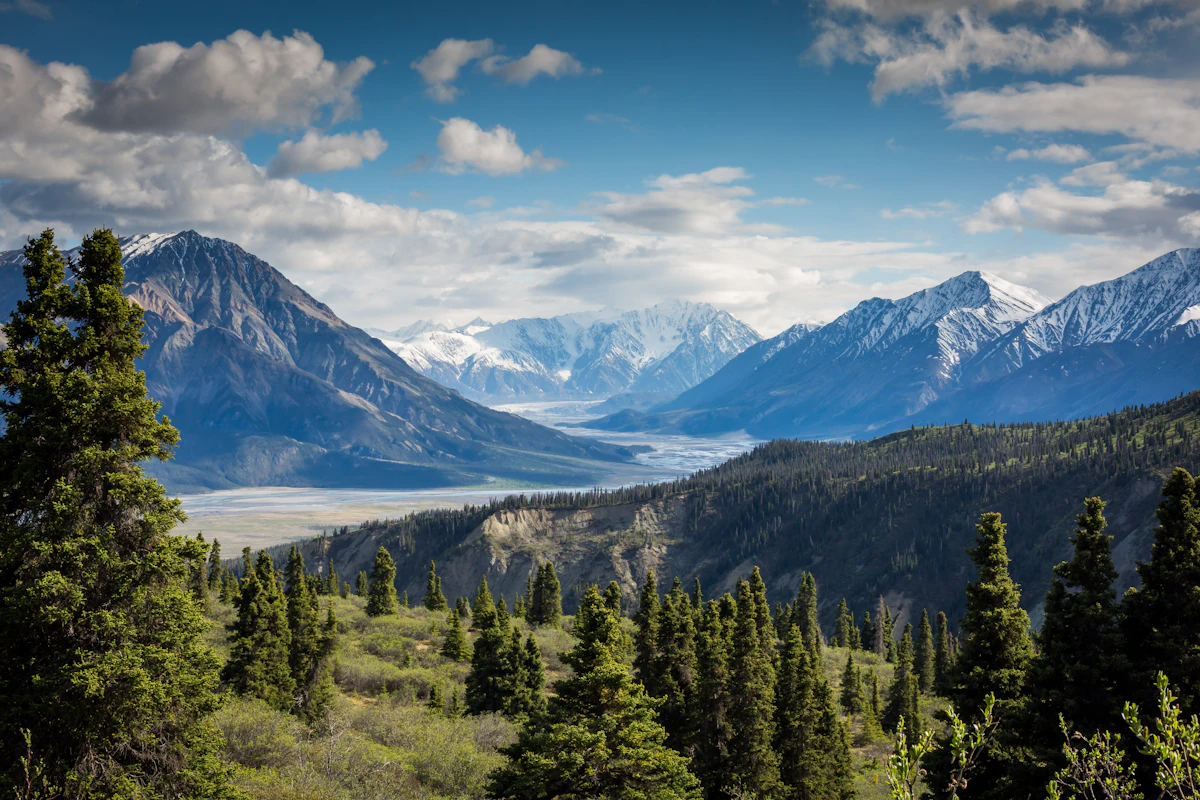
Canada is the world's second-largest country, spanning six time zones and five distinct climate regions. The best time to visit Canada depends almost entirely on what you want to do and where you want to go — a ski trip to Whistler in February is perfect timing, while the same month is ideal for spotting polar bears near Churchill, Manitoba. This guide breaks it down by region, activity, and month so you can plan with confidence.
Understanding Canada's Climate Regions
Canada's sheer size means "Canadian weather" is not a single thing. The Pacific Coast (Vancouver, Victoria) enjoys mild, rainy winters and warm summers thanks to ocean influence. The Prairies (Calgary, Winnipeg) experience dramatic temperature swings — scorching summers and brutally cold winters. Central and Eastern Canada (Toronto, Ottawa, Montreal) have four distinct seasons. Atlantic Canada (Halifax, St. John's) is wet, cool, and windswept year-round. The Far North (Yukon, Northwest Territories) operates on its own extreme schedule.
Summer (Jun–Aug)
Peak season nationwide. Long daylight hours, festivals, outdoor activities, highest prices and crowds.
Fall (Sep–Nov)
Shoulder season gold. Lower prices, fewer tourists, spectacular foliage in Eastern Canada and BC.
Winter (Dec–Mar)
World-class skiing, Northern Lights in the Yukon, winter festivals. Cold everywhere except Vancouver.
Spring (Apr–May)
Unpredictable but rewarding. Waterfalls at peak flow, tulip festivals, shoulder-season pricing.
Month-by-Month Weather & What to Expect
| Month | Region Highlight | Temperature (°C) | Crowd Level |
|---|---|---|---|
| January | Yukon Northern Lights | -20 to -5 | Low |
| February | Whistler skiing, Quebec Winter Carnival | -15 to 0 | Medium |
| March | Late ski season, maple syrup season (Ontario/Quebec) | -10 to 5 | Low-Medium |
| April | Ottawa Tulip Festival, Vancouver cherry blossoms | 0 to 12 | Low-Medium |
| May | BC wildflowers, whale watching (Vancouver Island) | 8 to 18 | Medium |
| June | Midnight sun in the Yukon, Montreal Jazz Festival | 15 to 25 | High |
| July | Peak everywhere, Calgary Stampede | 20 to 30 | Peak |
| August | Perseid meteor showers, last of summer festivals | 18 to 28 | Peak |
| September | Fall foliage begins, whale watching (Quebec) | 10 to 20 | Medium |
| October | Peak fall foliage (Eastern Canada), Aurora season begins | 2 to 14 | Medium |
| November | Polar bear migration (Churchill), skiing starts | -5 to 5 | Low |
| December | Christmas markets, Banff winter atmosphere | -15 to 2 | Medium |
Best Time for Specific Activities
Skiing & Winter Sports
Canada's ski season runs from approximately mid-November to late April, with February and early March offering the best combination of snow depth, weather, and daylight. Whistler Blackcomb in British Columbia is North America's largest ski resort and receives an average of 11 metres of snow per year; January and February are peak powder months. Mont-Tremblant in Quebec is the east's top destination with an average season from late November to mid-April. In Alberta, Lake Louise and Sunshine Village in Banff National Park are exceptional for their mountain scenery combined with reliable snow.
Whale Watching
Canada offers some of the world's best whale watching, but timing is everything. On Vancouver Island, resident Orca pods are present year-round near Victoria, but the best viewing is May through October when salmon runs attract them close to shore. On the St. Lawrence River in Quebec, blue whales, belugas, fin whales, and minke whales congregate near Tadoussac from June through October — with August and September being peak months. In the Bay of Fundy (New Brunswick/Nova Scotia), the world's highest tides bring fin whales, minkes, and humpbacks between July and October. Churchill, Manitoba, is famous for beluga whales in the Churchill River from mid-June through August.
Fall Foliage
Eastern Canada's fall foliage is genuinely world-class, comparable to New England but less crowded. The timing follows a predictable north-to-south, elevation-to-valley pattern. In the Laurentians north of Montreal, colours peak in late September. The Eastern Townships of Quebec and the Kawartha Lakes region of Ontario peak in early October. The Cabot Trail in Cape Breton, Nova Scotia, peaks in mid-October — this is arguably the most scenic fall drive in Canada, combining coastal cliffs with forests of maple, birch, and aspen. For the best foliage, aim for the first two weeks of October and book accommodation early — popular regions like Tremblant and Algonquin Provincial Park fill up months ahead.
Northern Lights (Aurora Borealis)
Canada has some of the world's best Northern Lights viewing, located directly beneath the auroral oval. Whitehorse, Yukon is the most accessible aurora destination — a short flight from Vancouver with excellent infrastructure for aurora tourism. The best window is late September through March, with February and March offering slightly warmer temperatures and frequent clear skies. Yellowknife, Northwest Territories is widely considered the aurora capital of North America, sitting almost directly under the auroral oval with an average of 240 clear nights per year. The Aurora Village outside Yellowknife runs guided viewing tours from purpose-built heated teepees. Watson Lake and Kluane National Park in the Yukon also offer remote, sky-dark aurora experiences for adventurous travellers.
Peak Season vs. Off-Season: What Changes
Peak season (July–August) means maximum daylight, every attraction is open, and the full range of outdoor activities is available. It also means maximum prices — hotel rates in Banff, Whistler, and Quebec City can double or triple compared to shoulder season. Popular national parks like Banff and Jasper require vehicle reservations just to enter during peak summer weekends.
Shoulder seasons (May–June and September–October) offer a genuine sweet spot: reasonable prices, manageable crowds, and excellent weather in most regions. Fall in particular deserves to be more popular than it is — the combination of foliage, harvest food culture, and post-summer calm is remarkable.
Winter (December–March) outside ski resorts is dramatically cheaper. A luxury hotel in Banff that costs $400/night in July can drop to $180 in January. Montreal's winter festivals and Quebec City's Carnaval make January and February rewarding if you're prepared for cold.
Regional Quick Reference
- Vancouver & BC Coast: May–September for hiking and outdoor activities; November–March for skiing. Avoid the rainy shoulder of October–November if sun is a priority.
- Alberta (Banff, Jasper, Calgary): July–August for hiking; December–March for skiing; September for shoulder-season hiking with fewer crowds.
- Ontario (Toronto, Niagara): May–October. July and August are hot and humid but vibrant. Fall is underrated.
- Quebec (Montreal, Quebec City): June–September for outdoor culture; February for winter festivals if you embrace the cold.
- Atlantic Canada: July–September. The Cabot Trail peaks in mid-October.
- Yukon & Northwest Territories: June–August for hiking and midnight sun; September–March for Northern Lights.
Recommended Gear
Travel Ready for Any Canadian Season
Canada's diverse seasons demand smart preparation. These travel essentials keep you comfortable whatever time of year you visit.
As an Amazon Associate, I earn from qualifying purchases.
Plan Your Canada Trip Right
Get personalized travel tips, seasonal deals, and destination guides delivered straight to your inbox.
Join the Newsletter