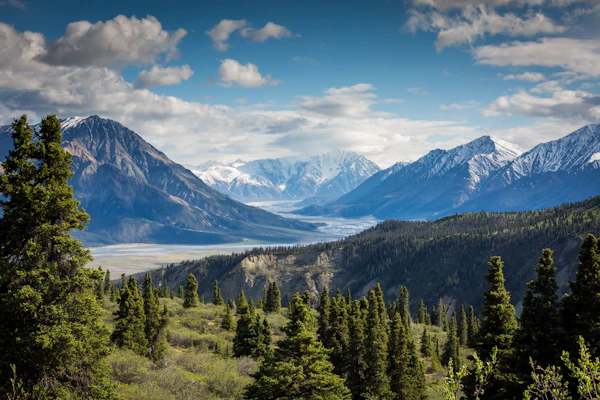
Nova Scotia does not ease you in gently. The moment you cross the Canso Causeway onto Cape Breton Island, or round a corner on the Cabot Trail and catch your first glimpse of the Gulf of St. Lawrence dropping away below the cliff edge, or crack open your first Digby scallop at a harbour-side shack, you understand: this province plays for keeps. Nova Scotia — "New Scotland" in Latin — is a peninsula of fog, fiddle music, and extraordinary food, dangling into the North Atlantic like an invitation to slow down and pay attention. It is the most overlooked spectacular province in Canada, and its time has arrived.
Halifax: The Beating Heart of the Maritimes
Nova Scotia's capital punches far above its weight. Halifax is a walkable, lively harbour city with a genuine cultural identity — a mix of deep maritime history, a large student population (five universities), and a food scene that has quietly become one of the best in Atlantic Canada. Start on the Halifax Waterfront Boardwalk, a 4-kilometre stretch of wharves, markets, and restaurants running along the harbour. The Historic Properties at the north end are a cluster of restored stone and timber warehouses from the 1800s now full of restaurants and bars.
The Canadian Museum of Immigration at Pier 21 is one of the most moving museums in the country — millions of immigrants to Canada passed through this very building. For military history, the Halifax Citadel National Historic Site is a star-shaped fortification atop a central hill with sweeping city views and daily cannon firings. And no first visit is complete without walking to the Public Gardens, a Victorian gem of fountains, bandstands, and manicured beds that somehow feels like it belongs in London.
Skip the tourist-heavy waterfront for dinner and head to the North End instead. Agricola Street is lined with independent restaurants, bakeries, and craft beer bars where locals actually go. Try Field Guide for inventive small plates, Obladee Wine Bar for an exceptional natural wine list, or Two Doors Down for elevated Nova Scotia comfort food. This is where the city's culinary identity lives.
Peggy's Cove: Canada's Most Iconic Lighthouse
Forty-five minutes southwest of Halifax, the village of Peggy's Cove sits on a platform of ancient, wave-worn granite at the edge of the Atlantic. The red-and-white lighthouse perched on the rocks is probably the most photographed scene in Atlantic Canada — and justifiably so. Go early morning or late afternoon to beat the tour buses and catch the golden light falling across the boulders. The village itself is genuinely tiny (fewer than 40 permanent residents), but the scenery is stark and unforgettable. Scramble the granite outcrops, watch the swell break against the stone, and listen to the wind. This is Nova Scotia at its most elemental.
The black rocks near the water's edge are classified as dangerous zones for good reason — rogue waves have swept visitors off the rocks here. Stay behind the painted white lines at all times. No photograph is worth your life.
The Cabot Trail and Cape Breton Island
If you do one drive in Atlantic Canada, make it the Cabot Trail. This 298-kilometre loop around the northern tip of Cape Breton Island is consistently ranked among the world's great scenic drives, and the hype is entirely deserved. The road climbs and plunges through the Cape Breton Highlands National Park, offering views of forested plateaus, dramatic coastal cliffs, and the deep blue of the Gulf of St. Lawrence far below. Skyline Trail is the park's signature hike — a relatively easy 9-kilometre round trip to a headland boardwalk above the ocean where moose sightings are almost guaranteed at dusk.
Cape Breton has its own distinct culture, shaped by Scottish settlers who brought their Gaelic language, traditional music, and step-dancing traditions that are very much alive today. The town of Baddeck on Bras d'Or Lake is the gateway to the Cabot Trail and a lovely base — quiet, scenic, and home to the Alexander Graham Bell National Historic Site (Bell spent his summers here and did much of his later experimental work on the island). Plan at least two full days for the Cabot Trail loop; rushing it would be a mistake.
Lunenburg: UNESCO World Heritage Town
An hour southwest of Halifax on the South Shore, Lunenburg is a UNESCO World Heritage Site and one of the best-preserved examples of a planned British colonial settlement in North America. The town's grid of colourful wooden buildings — deep reds, bright yellows, inky blues — tumbles down a hillside to a working fishing harbour. It is genuinely beautiful in a way that feels unmanufactured, because it largely is: Lunenburg is still an active fishing town, not a heritage theme park. The Fisheries Museum of the Atlantic on the waterfront tells the story of the Grand Banks schooner fishery and includes the replica Bluenose II when it's in port. The original Bluenose, the famous racing schooner that appears on the Canadian dime, was built here in 1921.
The Bay of Fundy: World's Highest Tides
The Bay of Fundy holds a world record that is genuinely hard to believe until you see it: tidal fluctuations of up to 16 metres — the highest on Earth. Twice a day, 160 billion tonnes of seawater flow in and out of the bay, driven by a natural resonance between the bay's shape and the rhythm of the tides. At Hopewell Rocks (technically just over the provincial border in New Brunswick, but worth the detour), you can walk on the ocean floor at low tide and stand beside towering rock formations called "flowerpots." Four hours later, those same formations are surrounded by 8 metres of water. Nothing prepares you for the scale of it. Check the tide schedule before you go — timing is everything. On the Nova Scotia side, Burntcoat Head Park near Truro is another excellent tidal viewing spot and is closer to Halifax.
Near Truro, the tidal bore sends a wave surging up the Shubenacadie River twice daily. Several operators run white-water rafting trips on this tidal bore — you're riding the tide itself upriver, through standing waves and tidal rips. It is chaotic, wet, and completely exhilarating. Book ahead in peak season.
Nova Scotia Food: Lobster, Chowder & Beyond
Nova Scotia is one of the finest places in the world to eat seafood, full stop. The province accounts for roughly 70% of Canada's total lobster harvest, and eating a whole lobster here — fresh from the trap, boiled in seawater, served on newspaper at a harbour-side pound — is one of those meals you will remember for years. The best value is at lobster pounds and fish shacks rather than restaurants: try Halls Harbour Lobster Pound on the Bay of Fundy, or pick up fresh-cooked lobster from any roadside market along the South Shore.
Essential Nova Scotia Dishes
- Seafood chowder: Every restaurant has one. The best are thick with cream, potato, and a generous mixture of haddock, scallops, and clams. Judge any Nova Scotia kitchen by its chowder.
- Digby scallops: The scallops from Digby on St. Mary's Bay are considered among the finest in the world — sweet, large, and best simply pan-seared. Do not leave without trying them.
- Fish cakes & baked beans: The traditional Saturday night supper in Nova Scotia homes — salt cod fish cakes with a side of molasses baked beans. Old-fashioned and magnificent.
- Donairs: Halifax's signature fast food — a spiced beef pita wrapped in a sweet garlic sauce that is nothing like anything you've had before. Order one after midnight and you'll understand why Nova Scotians are passionate about them.
- Solomon Gundy: A pickled herring spread that divides opinion strongly. Try it on crackers with a cold local beer and make your own judgment.
When to Visit Nova Scotia
Summer (July–August) is peak season: warm enough for hiking and whale-watching, all attractions are open, and the province buzzes with festivals. Book accommodation early, especially on Cape Breton. Fall (September–October) is arguably the best time to visit: the foliage across the Cabot Trail and Cape Breton Highlands is extraordinary, lobster season is in full swing, crowds drop, and prices fall. Spring (May–June) is shoulder season with unpredictable weather but excellent value and fewer tourists. Winter is quiet — many rural attractions close — but Halifax remains lively and whale-watching gives way to ice fishing and snowshoeing in Cape Breton. For the combination of great weather, peak foliage, and fresh lobster, late September is the sweet spot. For more on timing a broader Canadian trip, see our guide to the best time to visit Canada.
How to Get to Nova Scotia
By air: Halifax Stanfield International Airport (YHZ) has direct flights from Toronto, Montreal, Ottawa, and most major US east coast cities. WestJet and Air Canada serve the route year-round; expect fares to drop significantly outside July and August. Sydney Airport (YQY) on Cape Breton has limited service from Halifax and Toronto if you want to start your trip at the Cabot Trail.
By car: Nova Scotia is connected to the rest of Canada through New Brunswick via the Trans-Canada Highway (Highway 104). The drive from Moncton to Amherst (the Nova Scotia border) takes about an hour, and from there it's another two hours to Halifax. The province is also reachable by ferry: Bay Ferries runs a seasonal fast ferry between Portland, Maine and Yarmouth, NS — a dramatic introduction to the province by sea. Driving Nova Scotia as part of a broader Maritime road trip is one of the great Canadian journeys; our Canada road trip guide covers the full Maritime loop in detail.
Where to Stay in Nova Scotia
Accommodation in Nova Scotia ranges from grand historic inns to cozy B&Bs in fishing villages. A few standouts:
- Halifax: The Prince George Hotel is central, reliable, and reasonably priced. For something with more character, The Halliburton is a trio of connected heritage townhouses with excellent service and one of Halifax's best dining rooms.
- Cape Breton / Cabot Trail: Keltic Lodge at Ingonish — a resort perched on a headland inside the national park — is the classic choice. Expensive but unforgettable for a special occasion. For budget travellers, Cabot Trail Hostel in Pleasant Bay is excellent.
- Lunenburg: The Lunenburg Arms Hotel is well-located and comfortable. For the full experience, rent a cottage on the South Shore through Airbnb — waking up to the harbour view makes everything better.
- Budget tip: Nova Scotia has excellent provincial campgrounds that book up fast in summer. KOA and Parks Canada campgrounds near Cabot Trail are spectacular and very affordable.
Budget Tips for Nova Scotia
- Buy lobster at a wharf-side pound, not a restaurant — you'll pay half the price for fresher product.
- A Parks Canada Discovery Pass covers entry to all national historic sites and parks in Canada for a year — if you're hitting the Citadel, Pier 21, and Cape Breton Highlands, it pays for itself immediately.
- Travel in September or October rather than July or August: accommodation is 20–30% cheaper and the province is equally beautiful.
- Many of Nova Scotia's best experiences are free: Peggy's Cove lighthouse exterior, the Halifax boardwalk, Lunenburg's streets, the Cabot Trail drive itself.
- Groceries and local farmers' markets are exceptional here. Stock up at the Halifax Seaport Farmers' Market (open year-round) and have a picnic lunch rather than eating out every meal.
7-Day Nova Scotia Itinerary
This itinerary pairs nicely with our broader eastern Canada itinerary if you want to combine Nova Scotia with PEI, New Brunswick, and Quebec.
Day 1–2: Halifax
Arrive in Halifax, walk the waterfront boardwalk, visit the Canadian Museum of Immigration at Pier 21, and explore the Historic Properties. In the evening, head to the North End for dinner on Agricola Street. Day 2: Halifax Citadel in the morning, Public Gardens, then drive to Peggy's Cove for the late afternoon light. Return to Halifax for a donair dinner — it's practically mandatory.
Day 3: South Shore to Lunenburg
Drive the scenic Highway 3 (not the 103) along the South Shore through Chester and Mahone Bay. Stop at the famous Three Churches in Mahone Bay for the classic postcard view. Arrive in Lunenburg for lunch at the Fisheries Museum wharf café, then spend the afternoon wandering the UNESCO streets and browsing the galleries. Stay the night in Lunenburg.
Day 4: Annapolis Valley & Bay of Fundy
Drive north through the Annapolis Valley — Nova Scotia's apple and wine country, at its spectacular best in October blossom or harvest season. Continue to the Bay of Fundy, timing your arrival at Burntcoat Head for low tide. Spend the night in Truro or Windsor.
Day 5–6: Cape Breton and the Cabot Trail
Drive to Cape Breton via the Canso Causeway and check in at Baddeck. Begin the Cabot Trail loop clockwise (north on the west coast, south on the east). Stop at Chéticamp for Acadian fish cakes, hike the Skyline Trail at sunset, and stay overnight in Pleasant Bay or Ingonish. Day 6: complete the eastern leg of the loop, stopping at the Gaelic College at St. Ann's for a traditional music performance if timing works.
Day 7: Return to Halifax
Drive south through Antigonish and Guysborough county — quieter, less-touristed Nova Scotia. Stop for fresh-cooked lobster at a roadside pound on the Eastern Shore before returning to Halifax for a final evening. The Economy Shoe Shop on Argyle Street has been the city's social hub for decades — a good spot for a last drink and some live East Coast music before your flight home.
Recommended Gear
Pack Right for Nova Scotia
Nova Scotia's coastal weather and incredible hiking trails demand gear that can keep up. Here are the essentials for your Maritime adventure.
As an Amazon Associate, I earn from qualifying purchases.
Ready to Plan Your Nova Scotia Adventure?
Get our free Canada travel guide with Maritime itineraries, packing lists, and insider seafood recommendations delivered straight to your inbox.
Get the Free Guide