Alberta is the kind of place that rewires your sense of what is possible in a landscape. The province's western third is occupied by the Rocky Mountains — a wall of limestone and ice that rises abruptly from the foothills and contains some of the most visited, and most jaw-dropping, national parks on Earth. To the east, the prairies stretch toward the horizon, punctuated by badlands full of dinosaur fossils and the vibrant cities of Calgary and Edmonton. Whether you have a week or a month, Alberta rewards every level of adventure. This guide covers everything from the iconic parks to the lesser-known corners that most visitors miss entirely.
Banff National Park: Where Most Alberta Trips Begin
Canada's oldest national park needs little introduction. Banff covers 6,641 square kilometres of the Alberta Rockies and draws over four million visitors a year — and yet, get 10 kilometres from the main highway and you can still find yourself utterly alone in the wilderness. The park's centrepieces are Lake Louise, Moraine Lake, and the town of Banff itself, but the real magic lies in the hundreds of kilometres of trails that connect them.
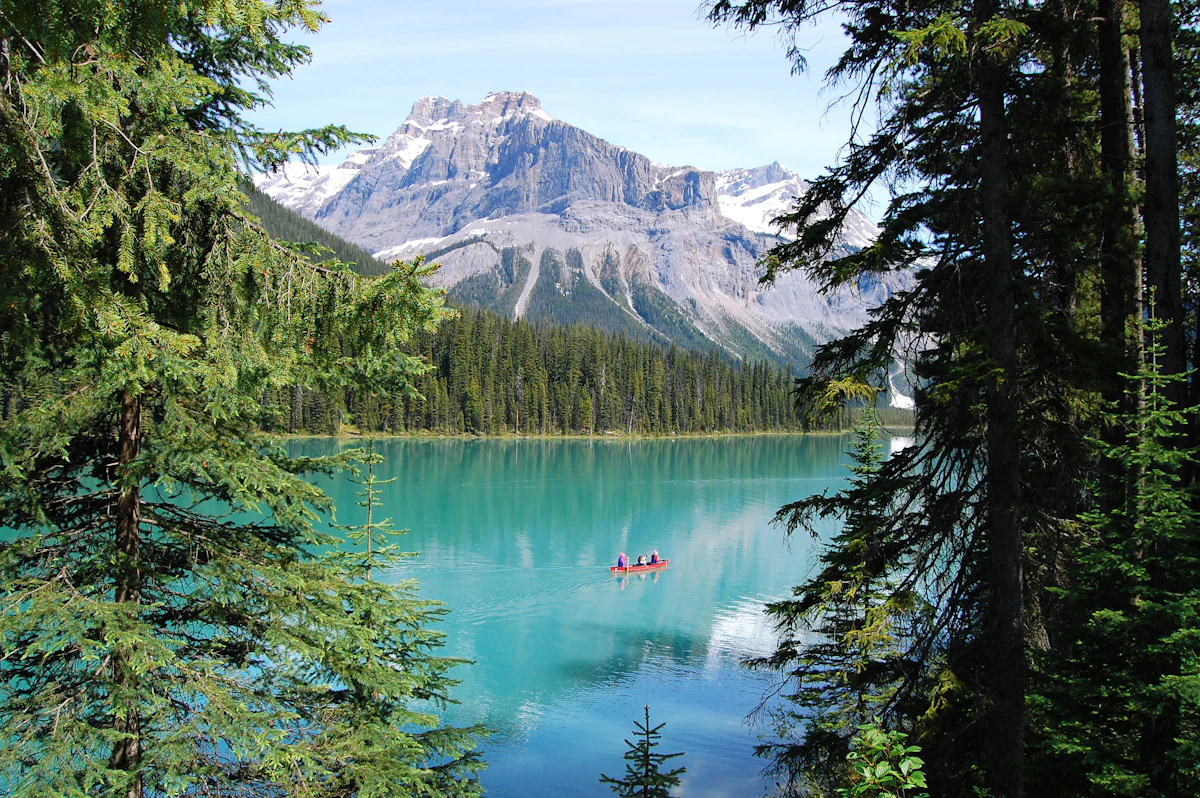
Lake Louise sits 1,731 metres above sea level, fed by the Victoria Glacier. The classic lakeshore walk is flat and suitable for all ages, but serious hikers should aim for the Plain of Six Glaciers trail (14 km return) or the Big Beehive (11 km return) for views that make even seasoned mountain travellers pause. Moraine Lake, tucked into the Valley of the Ten Peaks, requires advance planning: the access road is closed to private vehicles from late May to mid-October, and shuttle tickets sell out weeks in advance through Parks Canada's reservation system.
Purchase a Parks Canada Discovery Pass before you arrive — it covers entry to all national parks and pays for itself in two days. Book shuttle tickets to Moraine Lake and Lake Louise at reservation.pc.gc.ca at least six weeks ahead in summer. Popular campgrounds book out months in advance.
The Icefields Parkway: One of the World's Great Drives
The 232-kilometre highway connecting Banff to Jasper is legitimately one of the most scenic roads on the planet. You'll pass the Columbia Icefield — the largest accumulation of ice in the Rockies south of Alaska — where you can walk onto the Athabasca Glacier on guided tours or hike independently to its edge. Peyto Lake, shaped like a wolf's head and coloured an impossible aquamarine, sits above the treeline 40 kilometres north of Lake Louise. Bow Lake, Sunwapta Falls, and Athabasca Falls are among the many stops worth lingering at.
Budget a full day for the drive. Fuel up in Banff before departing — gas stations along the parkway are sparse and expensive. The drive is most spectacular in late September when the larches have turned gold and the crowds have thinned. In winter, the road stays open (with conditions permitting) and offers a surreal experience of frozen waterfalls and snow-laden forest.
Jasper National Park: The Wilder Half of the Rockies
If Banff is the polished jewel of the Rockies, Jasper is the rougher diamond. Jasper National Park covers 11,000 square kilometres — nearly twice the size of Banff — and sees significantly fewer visitors, which means more wildlife, more silence, and more of that elusive feeling of true wilderness. The town of Jasper is smaller and more laid-back than Banff, with a strong sense of community rather than resort.
Maligne Lake and Spirit Island
Maligne Lake is the largest natural lake in the Canadian Rockies and one of Alberta's most photographed locations. Spirit Island — a tiny forested outcrop at the lake's narrowing — appears in countless travel photographs and can only be reached by boat. Maligne Lake Boat Tours run from mid-May to mid-October; book well ahead. The trail along the lake's eastern shore to Schaffer Viewpoint (3.2 km return) offers similar scenery without the cost of a boat tour.
Mount Edith Cavell and Tonquin Valley
The Angel Glacier clings to the north face of Mount Edith Cavell and can be seen from a short interpretive trail at the base. For the serious backcountry traveller, the Tonquin Valley — accessed via a 19-kilometre trail — delivers one of the most remote and spectacular camping destinations in Alberta: a hanging valley surrounded by the Ramparts, a wall of near-vertical quartzite peaks rising 600 metres above the valley floor.
Jasper Dark Sky Preserve
Jasper is the world's second-largest dark sky preserve. Between October and April, the absence of light pollution combined with clear prairie air produces night skies that city dwellers find difficult to believe. The annual Jasper Dark Sky Festival in mid-October draws astronomers and photographers from across Canada. Pyramid Lake and Patricia Lake are prime viewing spots accessible by car.
Jasper has higher concentrations of large wildlife than Banff. Elk, moose, black and grizzly bears, mountain goats, bighorn sheep, and wolves are all regularly spotted. Drive the Icefields Parkway and the Maligne Lake Road at dawn and dusk, and scan open meadows carefully. Always maintain 30 metres from elk, 100 metres from bears, and never exit your vehicle to approach wildlife.
Kananaskis Country: Alberta's Best-Kept Secret
Most visitors drive straight past the Kananaskis Country turnoff on their way to Banff, which is exactly why it remains one of Alberta's most rewarding destinations. This 4,000-square-kilometre provincial recreation area borders Banff National Park and offers nearly identical mountain scenery with a fraction of the crowds and no national park entry fee required for most activities. Peter Lougheed Provincial Park at the south end of Kananaskis contains some of the best hiking in the province, including the Rawson Lake Trail and the Upper Kananaskis Lake circuit.
Canmore, the gateway town to Kananaskis, has grown into a sophisticated mountain community with excellent restaurants and accommodation — and it sits just 20 minutes from Banff townsite, making it a much quieter (and often cheaper) base for exploring the parks.
Calgary: The Gateway to the Mountains
Most Alberta visits begin or end in Calgary, and the city deserves more than a single overnight stopover. The Calgary Stampede — held every July for ten days — is one of the world's great outdoor festivals, a genuinely spectacular celebration of western culture that draws over one million visitors annually. Outside Stampede season, Calgary rewards exploration: the Studio Bell (National Music Centre) is architecturally stunning; the Peace Bridge over the Bow River is a pedestrian icon; and the Kensington and Inglewood neighbourhoods offer independent restaurants, bookshops, and bars that compare favourably to any Canadian city.
Downtown Calgary's elevated Plus-15 walkway system — 18 kilometres of enclosed skyways connecting 100 buildings — is one of the most extensive indoor pedestrian networks in the world, built in response to Calgary's notoriously cold winters. The city is also the closest major airport hub to Banff, sitting 128 kilometres to the east on the Trans-Canada Highway.
Drumheller and the Alberta Badlands
Two hours east of Calgary, the prairies suddenly collapse into a maze of hoodoos, coulees, and eroded valleys that make up the Alberta Badlands. Drumheller is the heart of this otherworldly landscape and the home of the Royal Tyrrell Museum — one of the world's premier palaeontology museums, with over 40 mounted dinosaur skeletons on display. The Horseshoe Canyon just west of Drumheller and the Horsethief Canyon to the north offer easy walking trails through terrain that looks like it belongs on Mars.
Dinosaur Provincial Park, two hours southeast of Drumheller, is a UNESCO World Heritage Site where active dig sites continue to yield new species. Guided badlands bus tours run from mid-May through September and are the only way to access certain fossil-rich restricted areas of the park.
Best Time to Visit Alberta
- July–August: Peak season. All trails open, long daylight hours, warm temperatures. Expect full campgrounds, shuttle queues, and premium accommodation prices. Book everything months in advance.
- June: Waterfalls at their most powerful from snowmelt; larches still green; crowds manageable. Some high alpine trails may still have snow.
- September–mid-October: Arguably the best month in the Rockies. Larch season peaks around mid-September (Larch Valley in Banff and Pocaterra Ridge in Kananaskis are stunning). Elk rut begins; wildlife viewing is exceptional. Nights cool sharply but days remain comfortable for hiking.
- Winter (December–March): Banff, Jasper, and Kananaskis have world-class ski resorts. Lake Louise Ski Resort, Sunshine Village, and Mount Norquay in Banff; Marmot Basin in Jasper; Nakiska in Kananaskis. Johnston Canyon's ice columns and Banff's frozen lakes add a different kind of magic to the parks.
Getting Around Alberta
A rental car is essentially mandatory for exploring Alberta beyond Calgary or Edmonton. The Trans-Canada Highway connects Calgary to Banff in 90 minutes; Highway 93 North (the Icefields Parkway) runs from Lake Louise to Jasper in approximately 3.5 hours of driving time (plan for a full day with stops). Brewster Express and SunDog Tours operate shuttle services between Calgary, Banff, Lake Louise, and Jasper for those without a vehicle.
For the national parks, Parks Canada operates mandatory shuttles to Moraine Lake and Lake Louise during peak season — the shuttles depart from the Lake Louise Ski Resort overflow parking lot and the Banff Visitor Centre. These must be reserved in advance and sell out rapidly in July and August.
Banff townsite has accommodation at all price points — from HI Banff Alpine Centre (hostel) to the iconic Fairmont Banff Springs. Canmore offers quieter, often better-value alternatives 20 minutes from Banff. Jasper townsite is more affordable than Banff. For camping, Tunnel Mountain in Banff and Wapiti in Jasper are the most accessible; backcountry campgrounds require a wilderness pass booked through Parks Canada.
Practical Tips for Your Alberta Trip
- Download offline maps (Maps.me or Google Maps offline) before leaving phone coverage areas in the parks.
- Always carry bear spray on hikes and know how to use it. Available for rent at outdoor stores in Banff and Jasper.
- Mountain weather is genuinely unpredictable — pack waterproof layers, warm mid-layers, and sun protection for the same day.
- The Alberta government eliminated provincial park day-use fees in 2020 — Kananaskis, Peter Lougheed, and other provincial parks remain free to enter.
- Electronic waste and noise restrictions apply in national parks — drones require permits and are prohibited in many areas; check Parks Canada regulations before flying.
- Tipping etiquette in Alberta follows standard Canadian practice — 15–20% at restaurants, $2–5 per bag for hotel porters.
Ready to Explore the Rockies?
From Banff to Jasper and beyond — our guides cover every corner of Canada's most spectacular province.
Browse All Guides