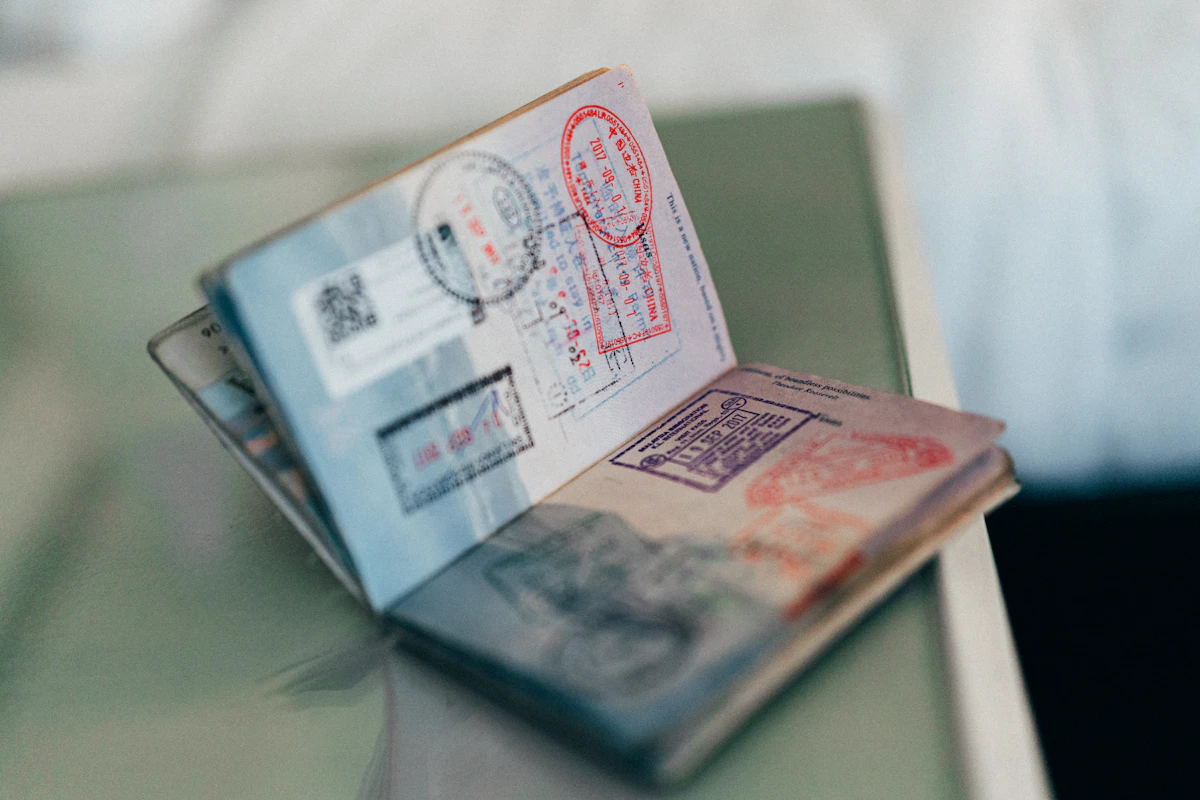
Planning a trip to Canada in 2026? Getting the paperwork right before you travel will save you enormous stress at the border. Canada's entry system splits visitors into three categories: those who need no visa, those who need an Electronic Travel Authorization (eTA), and those who need a full Temporary Resident Visa (TRV). This guide covers every category clearly, walks you through the eTA application step by step, and explains exactly what happens when you arrive at a Canadian port of entry.
Who Needs a Visa vs. eTA vs. Nothing
Canada uses a tiered entry system based on passport nationality and mode of arrival. The key distinction is between air travel (which often requires an eTA even for visa-exempt nationals) and land/sea entry (where visa-exempt citizens generally need only a valid passport).
| Passport Nationality | Air Travel | Land/Sea Travel | Max Stay |
|---|---|---|---|
| USA citizens | No requirement | Passport or NEXUS | 6 months |
| UK, Australia, NZ, EU (most) | eTA required | Passport only | 6 months |
| Japan, South Korea, Israel, Chile | eTA required | Passport only | 6 months |
| Mexico | eTA required | eTA or Visa | 6 months |
| India, China, Philippines, Vietnam | Visa required | Visa required | Visa dependent |
| Brazil, South Africa, most of Africa | Visa required | Visa required | Visa dependent |
The full list of eTA-eligible countries and visa-required nationalities is maintained by IRCC and can be found at ircc.canada.ca. If your nationality is not on the eTA-eligible list, you will need to apply for a Temporary Resident Visa (TRV), also known as a visitor visa.
The eTA: Canada's Electronic Travel Authorization
The Electronic Travel Authorization (eTA) is a digital entry requirement for visa-exempt foreign nationals flying into Canada. It is linked electronically to your passport and does not require any physical document. An approved eTA is valid for five years or until your passport expires, whichever comes first — and covers multiple visits to Canada within that period, each for up to six months.
The eTA costs CAD $7 (approximately USD $5 / EUR 4.60) — one of the cheapest such requirements in the world. Processing is usually immediate (minutes to hours), though IRCC recommends applying at least 72 hours before your flight.
How to Apply for a Canadian eTA: Step by Step
- Go to the official IRCC website. Navigate to canada.ca/eta and click "Apply for an eTA." Never use any other website.
- Have your passport ready. You will need your full name exactly as it appears on your passport, passport number, expiry date, date of birth, and nationality. Have it open in front of you.
- Complete the application form. The form asks for basic biographical information, travel history, employment status, and a few health and background questions. Most applicants answer "no" to all background questions. Be honest — inconsistencies can cause delays or refusals.
- Pay the $7 CAD fee by credit or debit card. Visa, Mastercard, and American Express are all accepted. The payment page is secured and encrypted.
- Submit and wait for email confirmation. Most eTAs are approved within minutes; you will receive an email with your eTA number. Some applications are flagged for additional review and may take 72 hours. A very small number require supporting documents.
- Check your email and save confirmation. Your eTA is electronically linked to your passport — you don't need to print anything. However, saving the approval email is wise. Ensure the passport you travel with is the same one used in the application.
Applying for a Temporary Resident Visa (TRV)
If your nationality requires a full visitor visa, the application is more involved but manageable. You can apply online through the IRCC portal or at a Canadian Visa Application Centre (VAC) in your country. The processing fee is CAD $100 for a single-entry or multiple-entry visa. Multiple-entry visas (valid up to 10 years) are standard for most approved applicants and are strongly recommended if you plan to visit more than once.
Required Documents for a TRV Application
- Valid passport (must be valid for at least 6 months beyond your planned departure from Canada)
- Completed IMM 5257 application form (available on IRCC website)
- Two recent passport-style photographs meeting Canadian specifications
- Proof of financial means (bank statements for the past 3–6 months, pay stubs, or tax returns showing sufficient funds)
- Proof of ties to your home country (employment letter, property ownership, family ties — demonstrating your intent to return)
- Travel itinerary or hotel bookings
- Travel history (any previous passports with visas to other countries helps your application)
- Invitation letter if staying with friends or family in Canada (Form IMM 5256)
TRV processing times vary significantly by country and application volume. Check current processing times at the IRCC website before applying. Applying well in advance — ideally 8–12 weeks before travel — is strongly recommended during peak months (June–August applications can face longer queues).
At the Canadian Border: What to Expect
Whether you arrive by air at Toronto Pearson, Vancouver International, or by land at Niagara Falls, the border process follows the same structure. Canadian Border Services Agency (CBSA) officers are professionals but expect thorough answers to their questions.
What Border Officers May Ask
- Purpose of your visit (tourism, visiting family, business)
- How long you plan to stay and when you intend to leave
- Where you will be staying (hotel name, address, or host's contact information)
- How much money you have available for your trip
- Whether you have any work or study plans in Canada
Documents to Have Ready at the Border
- Valid passport (same one linked to your eTA or visa)
- Return or onward flight ticket
- Accommodation details for at least your first night
- Proof of sufficient funds (credit card, cash, or bank statement on your phone)
- Travel insurance documentation (not mandatory, but officers view it favourably)
Travel Insurance: What You Need to Know
Travel insurance is not legally required to enter Canada, but it is strongly, emphatically recommended. Canada does not have reciprocal healthcare agreements with most countries — meaning that if you are a UK, European, or Australian citizen, your home country's health system will not cover you in Canada. A short hospital visit in Canada can cost CAD $5,000–$20,000 or more; a medical evacuation flight back to Europe can run $50,000–$100,000.
A comprehensive travel insurance policy for Canada should include: emergency medical coverage (minimum $1 million CAD recommended), medical evacuation, trip cancellation and interruption, and baggage loss. For winter sports, specifically confirm that skiing, snowboarding, and other adventure activities are covered — many standard policies exclude these unless you add a winter sports rider.
Recommended Insurance Providers
- World Nomads: Excellent for adventurous travellers; broad activity coverage including skiing and hiking.
- Allianz Travel: Strong for families and senior travellers; clear policy terms.
- AXA Schengen / AXA Travel: Good option for European travellers familiar with the brand.
- CAA (Canadian Automobile Association): If you are a member and renting a car, their travel plans bundle well.
Key IRCC Resources
- Check if you need an eTA or visa: ircc.canada.ca/english/visit/visas.asp
- Apply for an eTA: canada.ca/en/immigration-refugees-citizenship/services/visit-canada/eta/apply.html
- Check current processing times: ircc.canada.ca/english/information/times/index.asp
- CBSA traveller information: cbsa-asfc.gc.ca/travel-voyage
Recommended Gear
International Travel Essentials for Canada
Arriving well-prepared makes crossing the border smooth and stress-free. These essentials are a must for international visitors.
As an Amazon Associate, I earn from qualifying purchases.
Ready to Plan Your Canada Trip?
Get our complete Canada travel guides, packing lists, and destination tips delivered to your inbox.
Subscribe to the Newsletter